AI vs Animators: What India’s VFX Job Market Actually Looks Like in 2026
Students considering animation and VFX jobs in 2026 often hear one question: Will AI replace animators? Generative tools can now create images, short video clips and movement from text prompts. Yet a convincing clip is not automatically a finished shot that meets a director’s brief, matches other scenes, and passes production review.
For anyone exploring AI animation jobs in India, the useful question is how studios are changing their workflows and which skills remain valuable.
AI Is Changing Tasks, Not Making Every Creative Role Disappear
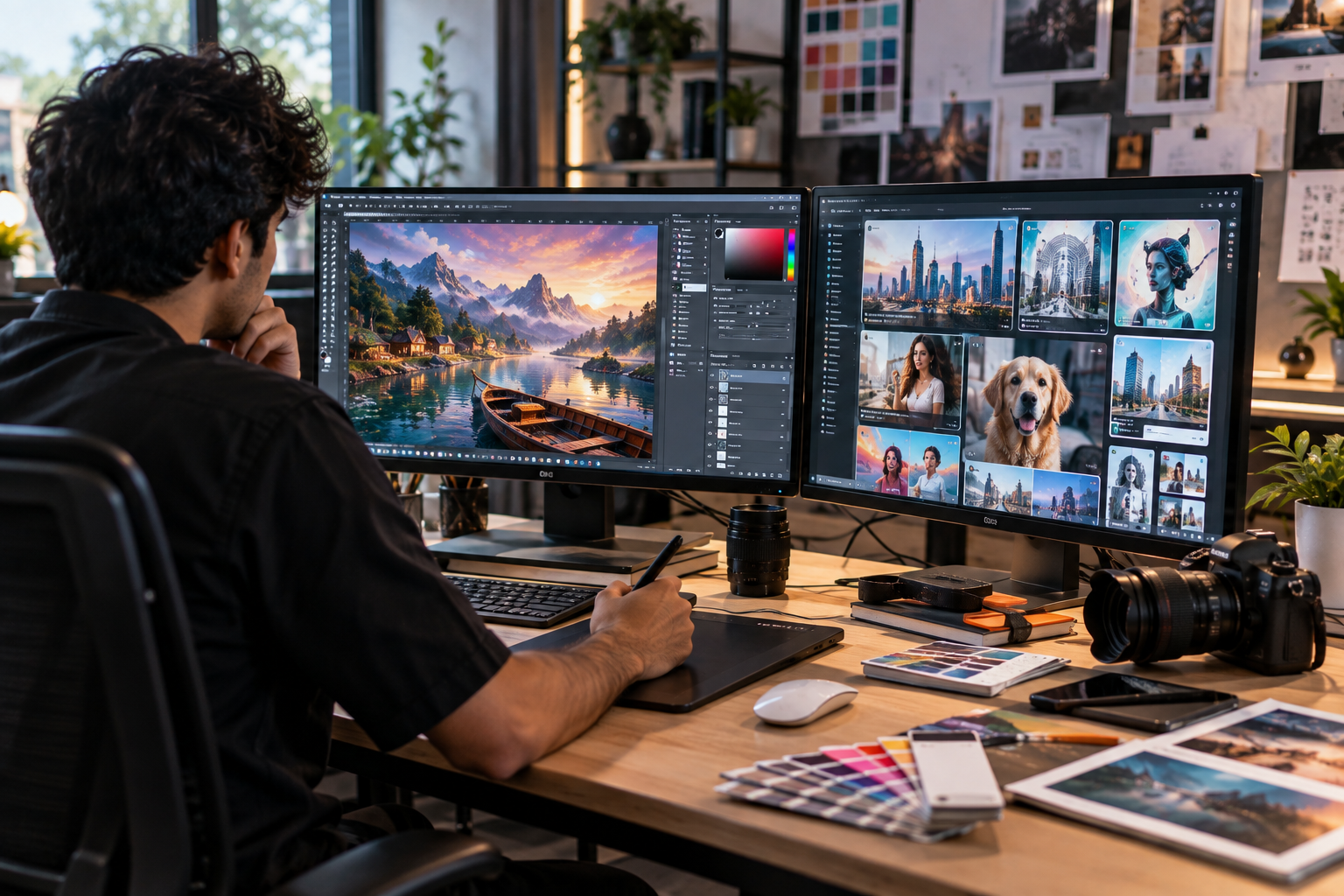
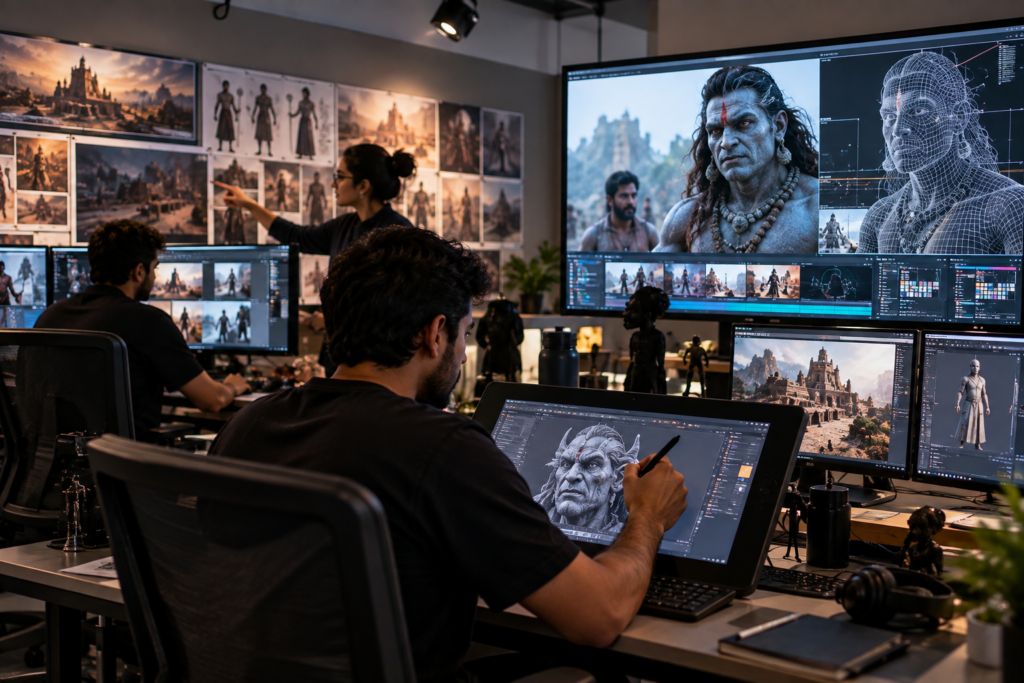
AI is entering animation, VFX and post-production through tasks such as visual references, concept exploration, footage clean-up and preliminary assets. AI automation can reduce the amount of time spent on repetitive work, including parts of rotoscoping or background preparation.
But generated shots may contain inconsistent faces, changing costumes, unnatural movement, incorrect perspective or mismatched lighting. Artists still need to assess and correct the results so they work within the sequence. Studios need people who understand the brief and production pipeline, not just the software. AI can change how a task is done without removing the need for artistic and technical judgment.
What India’s VFX Job Market Shows in 2026
No single public dataset captures every animation and VFX job in India, so it would be misleading to call the whole sector either booming or disappearing. Job listings, however, offer a useful snapshot.
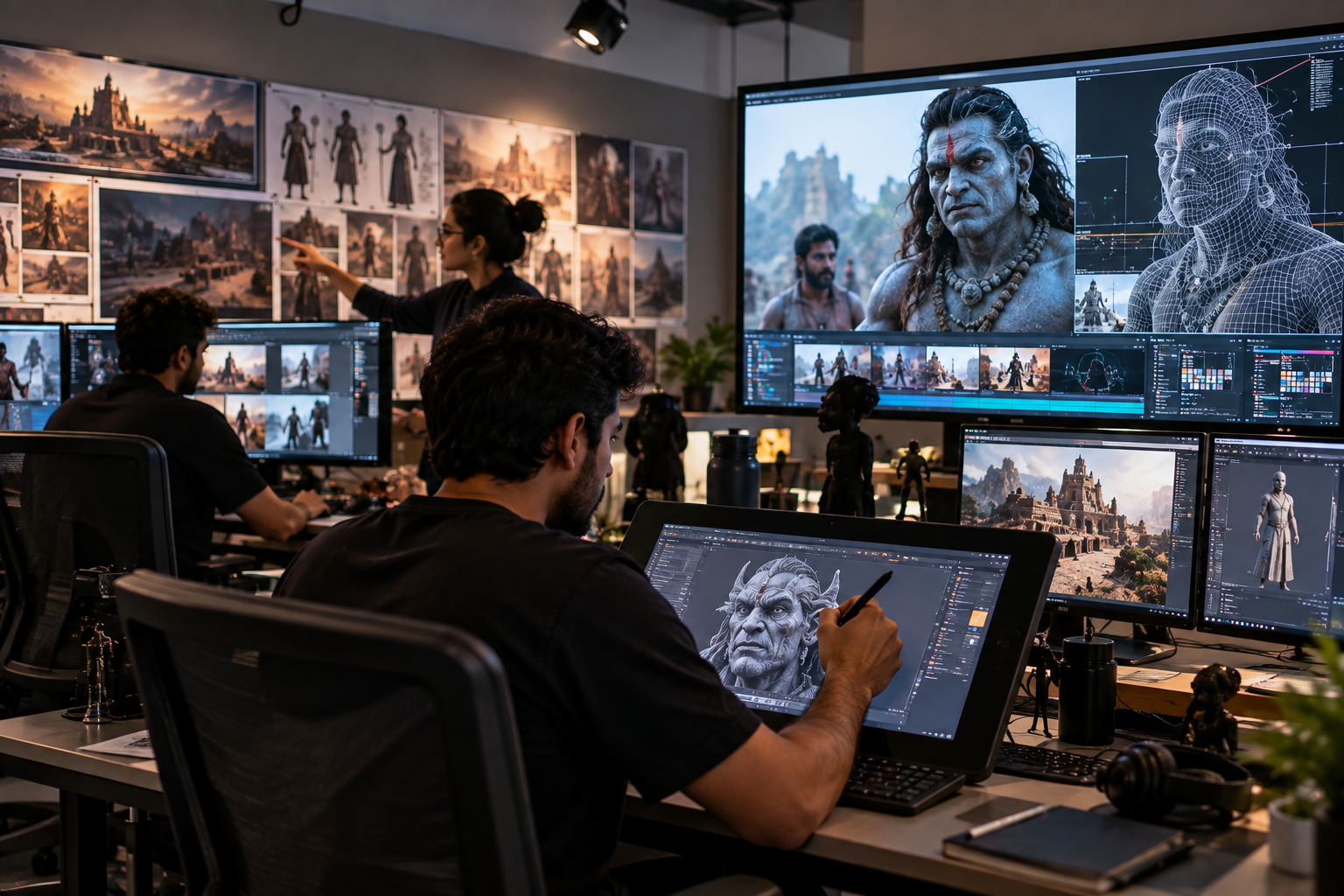
In Mumbai, Industrial Light & Magic listed a mid-to-senior facial animator role in August 2026, involving motion for computer-generated creatures and objects under animation supervisors. A separate generalist artist listing covered modelling, lighting, texturing, shading, effects, animation and rendering. These roles show continued demand for specialised craft in established studio pipelines.
Indian listings also include AI animator and generative AI artist roles. Some require image and video generation alongside character consistency. A Bengaluru studio listing combines AI tools with illustration, composition, storytelling and software such as Photoshop, After Effects or Blender.
Listings are only a snapshot and can change quickly. Still, they show AI-focused creative roles appearing alongside conventional animation and VFX jobs, not replacing every established title.
Will AI Replace Animators?
AI is more likely to reshape parts of an animator’s work than remove the need for animators altogether. The impact will vary by task, studio and project.
AI can help create a rough movement reference or test a visual idea. A character animator must make movement serve the character and story, follow a precise emotional beat, maintain continuity and respond to a director’s notes. That requires more than a plausible-looking result.
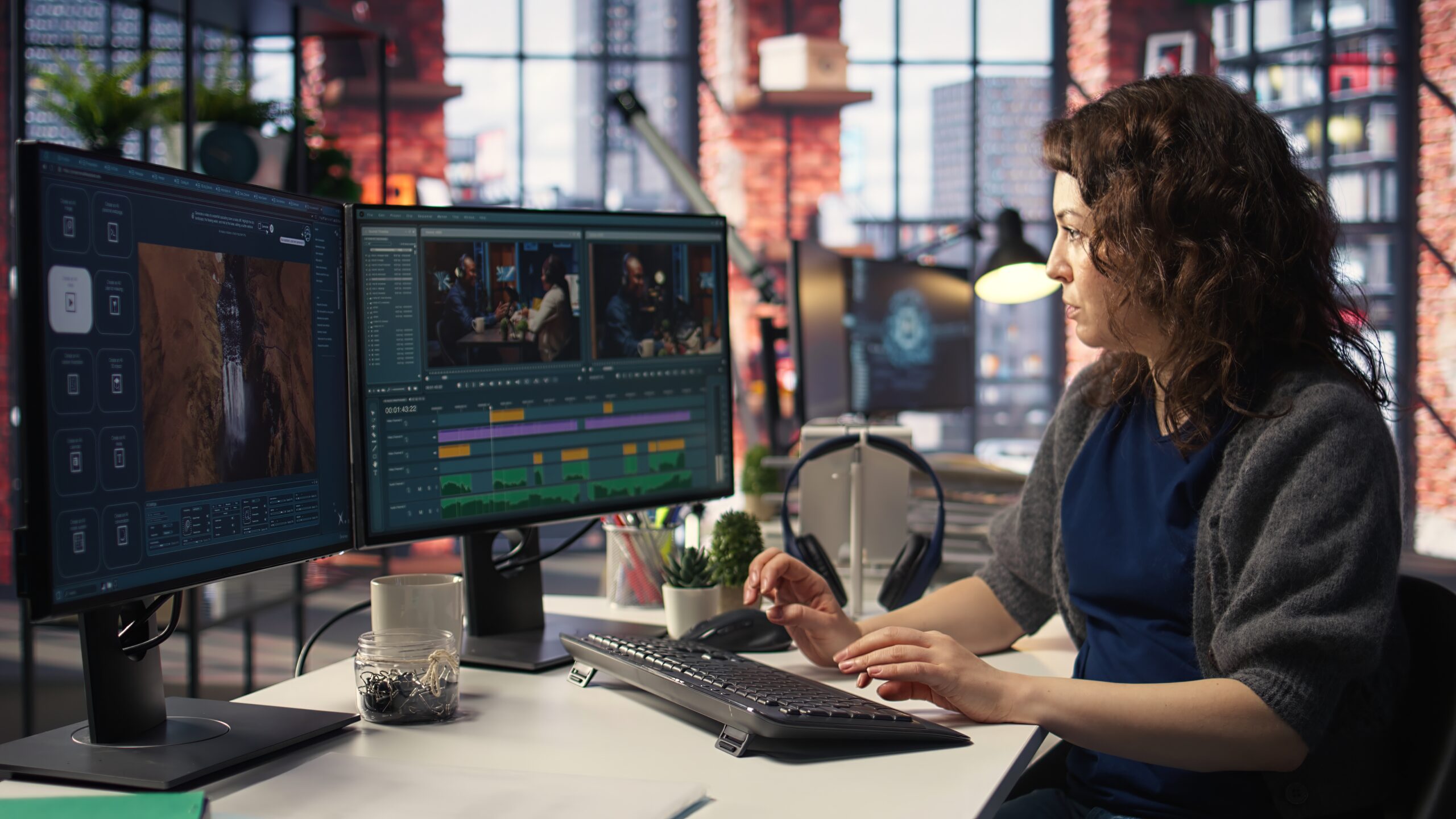
In VFX, automation can assist with selected steps, but artists still judge edges, detail, integration, timing and consistency. Complex shots pass through several departments and rounds of review. A result that looks acceptable on its own may not work in the sequence.
The question “Will AI replace animators?” is easier to answer when you separate repetitive tasks from the broader role. Some tasks may shrink or change; problem-solving, visual judgment and collaboration remain central.
Which Skills Matter for a VFX Career in 2026?
Anyone planning a VFX career in 2026 should build a foundation that remains useful as tools change: composition, perspective, colour, lighting, timing, movement and visual storytelling.
Then develop practical skills in one area. VFX and compositing may involve rotoscoping, keying, tracking, paint and CG integration. 3D work may involve modelling, texturing, lighting, animation and rendering. Understanding pre-production, production and post-production helps students see how their work fits into a larger pipeline.
AI literacy belongs alongside these fundamentals. Learn to evaluate and refine generated results, and recognise when a tool is unsuitable. The aim is not to collect apps, but to use them without losing control of quality.
Students should also understand the limitations of AI-generated footage. Maintaining the same character, camera angle, lighting and movement across multiple shots can be challenging. Knowing how to identify and correct these inconsistencies can be useful in a professional production environment.
Where Animation and VFX Jobs After AI May Emerge
The phrase animation and VFX jobs after AI may sound like an entirely new job market will appear overnight. More likely, roles will evolve gradually. Some artists may work with AI-assisted concept development or video generation; others may specialise in animation, compositing, lighting, tracking or effects while using automation for selected steps.
Hybrid roles may combine visual skills with AI workflow knowledge. AI artist listings ask for more than prompt writing, including storytelling, composition, editing, consistency across frames and the ability to refine generated material in conventional software.
For freshers, the practical approach is to develop one specialisation, understand neighbouring production stages and stay open to new tools. A portfolio showing clear decisions and finished work says more than a long list of software names.
How Students Can Prepare Before Entering the Industry
Treat assignments as showreel material, not just exercises. Choose work that demonstrates the skill you want to pursue. A compositing reel should clearly show the original footage and final shot; an animation reel should present purposeful movement and acting.
Practise receiving feedback and revising your work. Production rarely ends with the first version. File organisation, naming, version control and following a brief are also part of studio work.
At e-Drishyam, training covers 3D animation, VFX, and compositing through practical assignments, portfolio development, and tools including Maya, Nuke, and After Effects. Its course information also describes AI integration alongside core software. A demo session can help students understand the curriculum and how practical work is assessed.
The Realistic Outlook for Aspiring Animators
AI Animation jobs in 2026 are not a simple contest between people and machines. AI is changing how some tasks are done, while studios still seek specialised animators and artists. New AI-focused roles also ask for a foundation in visual craft.
Students do not need to ignore AI or assume animation is no longer worth learning. Build fundamentals, practise with industry tools, use AI critically and keep improving the portfolio. The quality of the work and the ability to adapt will matter as production methods change.