
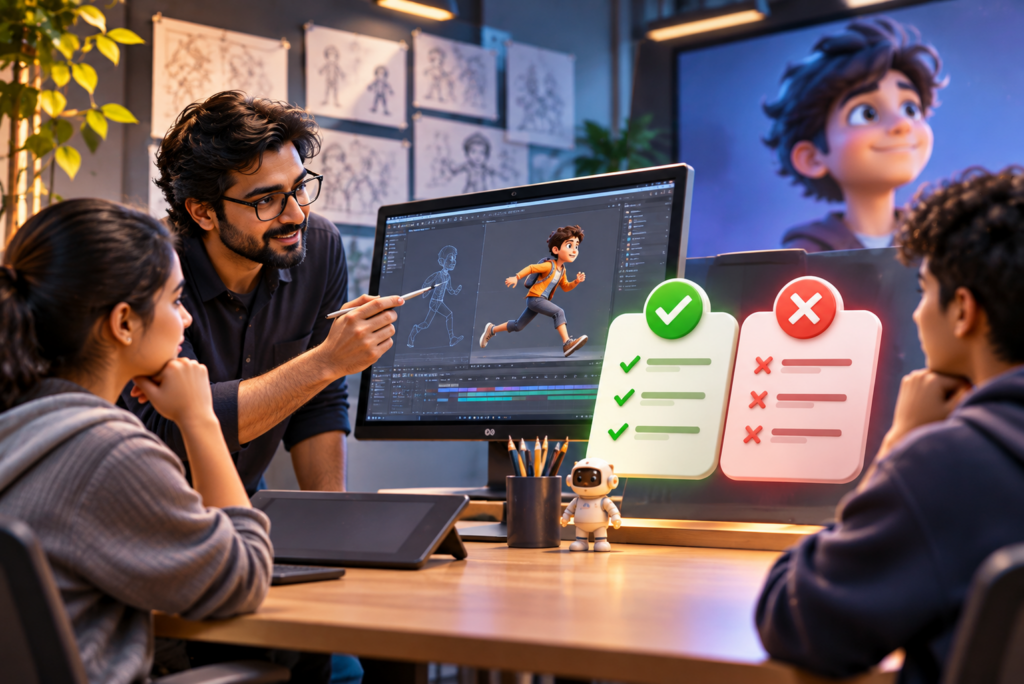
Starting an animation course is exciting. You may already have ideas for characters, scenes, games or films you would love to create. But turning those ideas into finished work takes more than installing software and learning a few tools. It requires observation, patience, regular practice and an understanding of movement and visual storytelling.
For students exploring Animation courses after 12th, the first few weeks can feel unfamiliar. There are new terms, creative exercises and technical concepts to understand. Beginners often want to jump straight into advanced 3D scenes, but strong fundamentals make that journey easier.
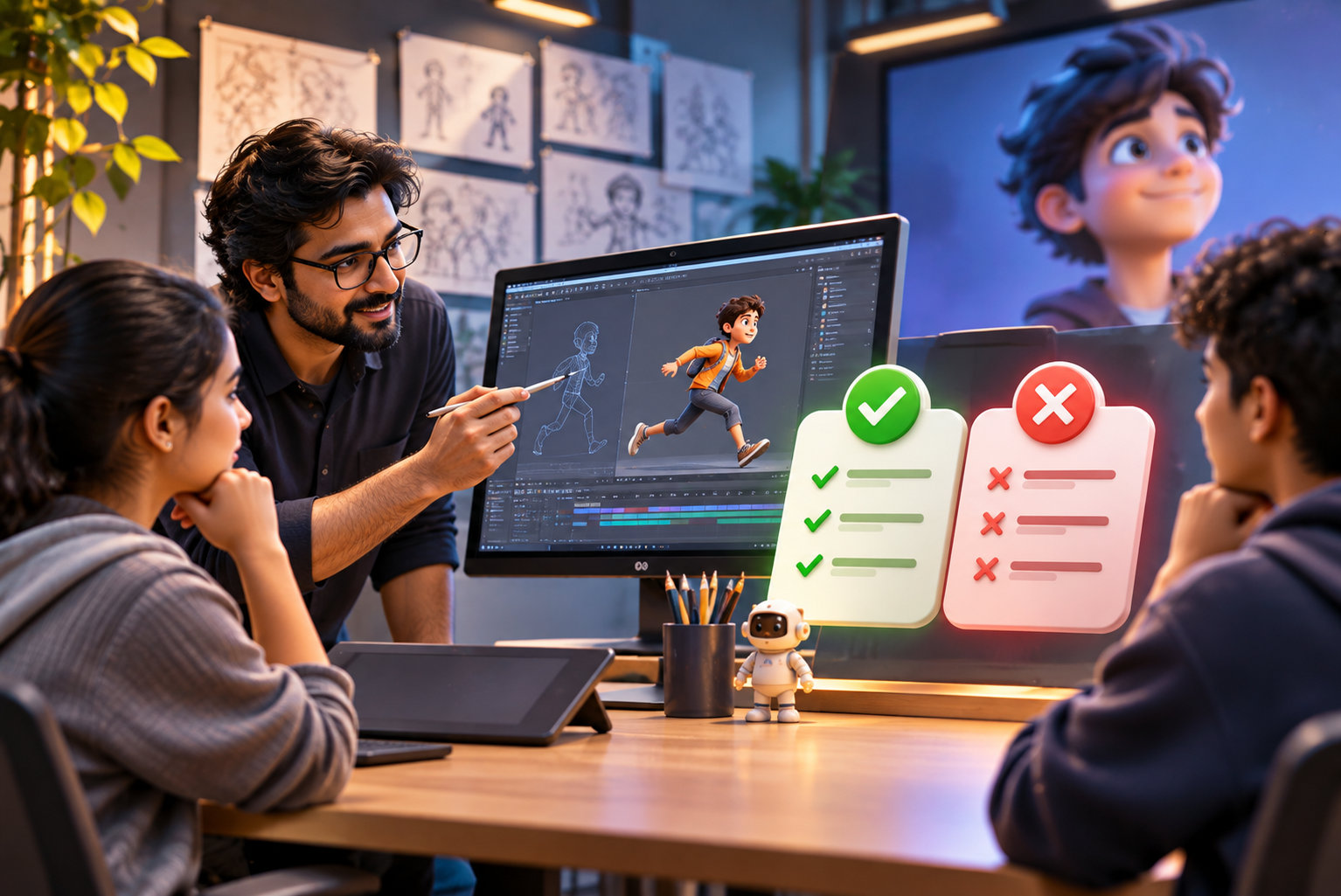
At E-Drishyam, learning animation is approached as a combination of creative thinking and practical skill development. Here are some important do’s and don’ts that every new batch should keep in mind.
Do: Build Your Fundamentals Before Chasing Software
Animation software is a tool. It helps you create, edit and present your work, but it cannot replace an understanding of movement, timing, spacing, form and composition.
Start by observing how people, animals and objects move. Notice how weight shifts when someone walks, how a ball slows before it stops and how expressions change during a conversation. These observations help you understand the principles behind believable animation.
Students joining an Animation course for beginners should give themselves time to practise drawing basic shapes, understanding perspective and studying movement. You do not need to be an expert artist before you begin, but you should be willing to observe carefully and improve through practice.
Don’t: Expect to Master Animation in a Few Classes
A common beginner mistake is expecting quick results. You might create a simple bouncing ball in one session, but making it feel convincing takes repeated adjustments.
Animation involves many small decisions. The position of a character, the timing of a movement and the spacing between frames can change how an action feels. Your first attempt may look stiff. That is part of learning, not a reason to give up.
Treat Animation classes for beginners as a process. Practise between sessions, review your earlier work and apply feedback. Improvement becomes easier to notice when you compare your current projects with the ones you made a few weeks earlier.
Do: Understand What You Are Learning and Why
Before choosing a specialisation, understand the broad areas of animation and how they differ.
A 2D animation course introduces students to creating movement through drawings or digital artwork. It can involve character design, storyboarding, keyframes, in-betweening and timing.
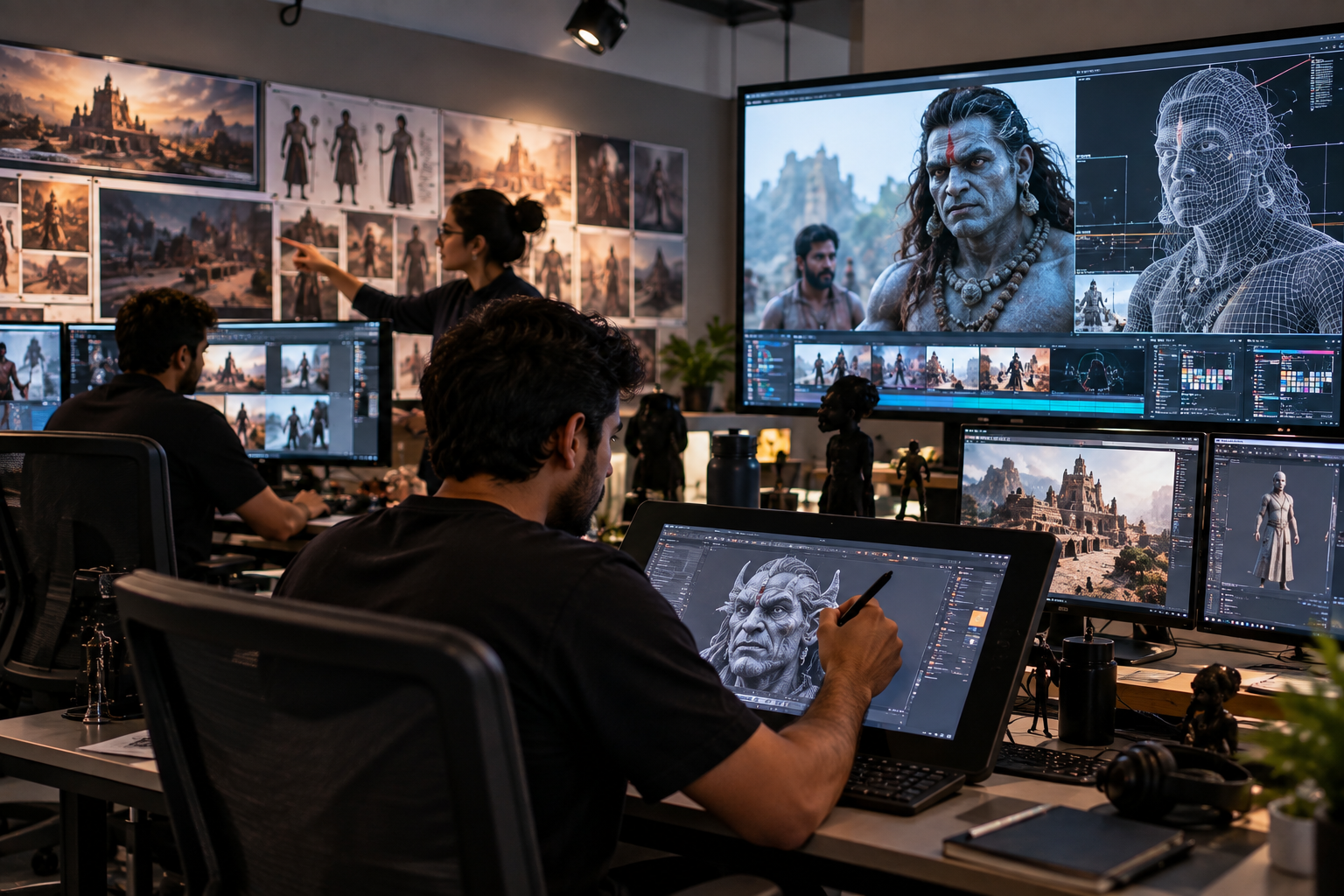
A 3D animation course focuses on creating and animating objects and characters in a three-dimensional environment. Depending on the programme, students may explore modelling, texturing, rigging, lighting, animation and rendering.
Both areas require creativity and technical understanding, but the workflows are different. Explore what interests you instead of choosing a field only because a particular film, game or software looks impressive.
Don’t: Learn Tools Without Understanding the Workflow
Knowing where a button is located does not mean you understand the creative process. A finished animation usually moves through several stages, from the initial idea to the final output.
A typical Animation course syllabus may introduce topics such as:
- Drawing, design principles and visual storytelling.
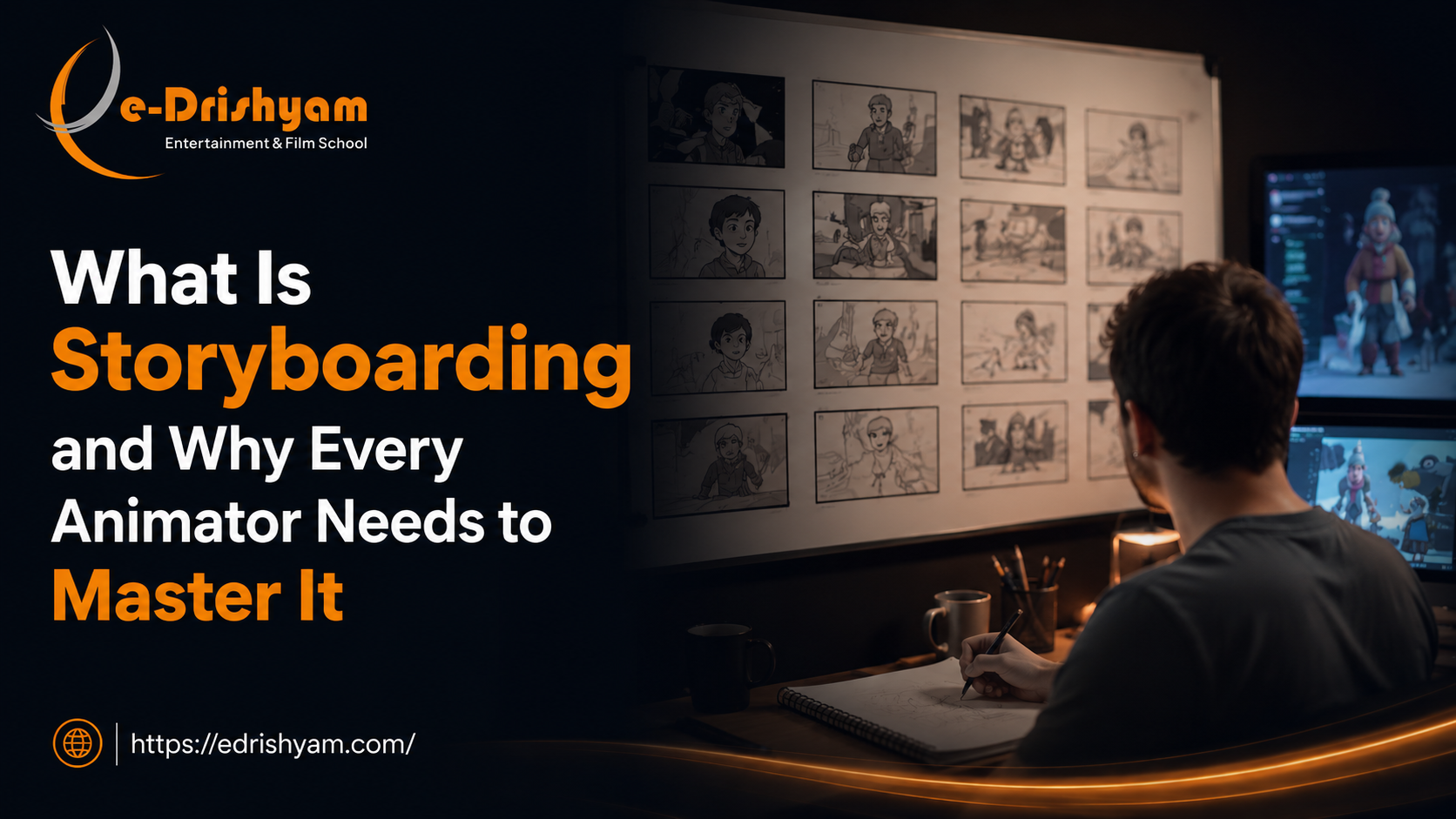
- Character development and storyboarding.
- Principles of animation, timing and movement.
- Modelling, texturing and rigging, where relevant.
- Lighting, camera work and rendering.
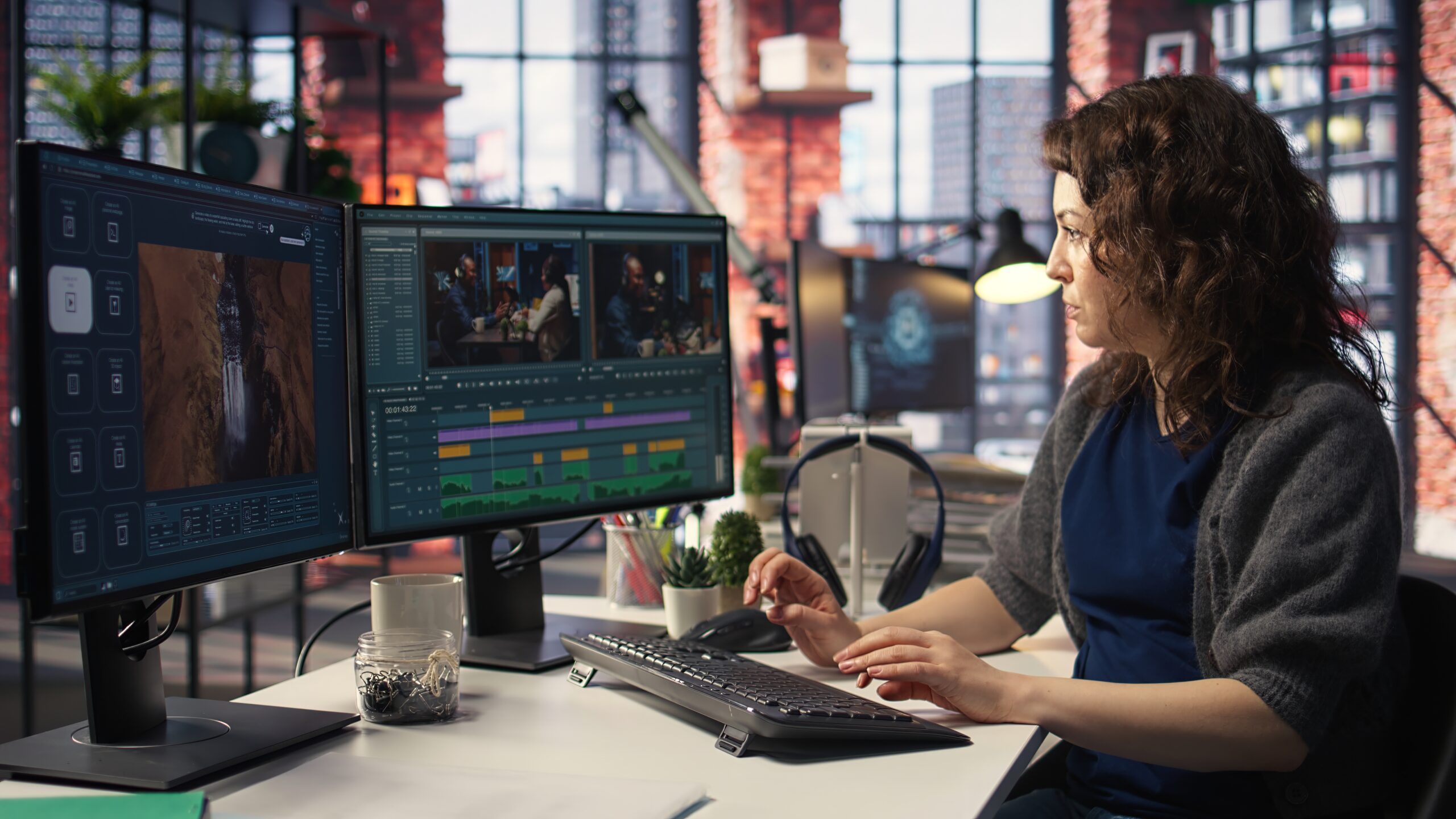
- Editing, compositing and project presentation.
The exact subjects depend on the course and specialisation. Ask the institute for its current syllabus, software coverage, practical assignments and project expectations before enrolling. Understanding the workflow helps you see how individual lessons contribute to a complete production.
Do: Ask Questions and Accept Feedback
Your faculty can guide you, but you have to participate in the learning process. If a character’s movement looks unnatural or a scene feels visually confusing, ask what is not working and why.
Feedback is not a judgement of your talent. It helps you identify issues that you may not notice yourself. Listen carefully, make the suggested changes and check whether the result improves.
Don’t: Compare Your First Project With Someone Else’s Best Work
Online platforms are full of polished animation reels and impressive student projects. They can inspire you, but comparing your first exercise with someone’s finished portfolio can make learning unnecessarily stressful.
Students enter with different levels of drawing experience, computer familiarity and creative exposure. Focus on your own progress. Set small goals, complete assignments and keep earlier versions of your work so you can see how your skills develop.
The most useful answer to How to learn animation is simple: practise consistently, study good work, understand the principles and keep completing projects. Watching tutorials can help, but applying what you learn is essential.
Do: Build a Portfolio Alongside Your Training
A portfolio gives people a clear view of what you can create. Do not wait until the final month of your course to start collecting your work.
Save your exercises, improved versions and completed projects. Over time, select pieces that demonstrate your strongest skills. If you are interested in character animation, show movement and expressions. If you prefer modelling, include clear views of your models and the process behind them.
A thoughtful portfolio can support applications for internships, entry-level roles or freelance opportunities. It also helps you recognise the areas where you need more practice.
Don’t: Assume a Certificate Alone Will Build Your Career
Animation is a practical creative field. Employers and clients often want to understand what you can do, how you approach a brief and whether you can work through a production task.
The skills required for animation include observation, creativity, patience, visual communication, problem-solving, time management and willingness to learn new tools. Teamwork is important too, because larger projects involve people working across different stages of production.
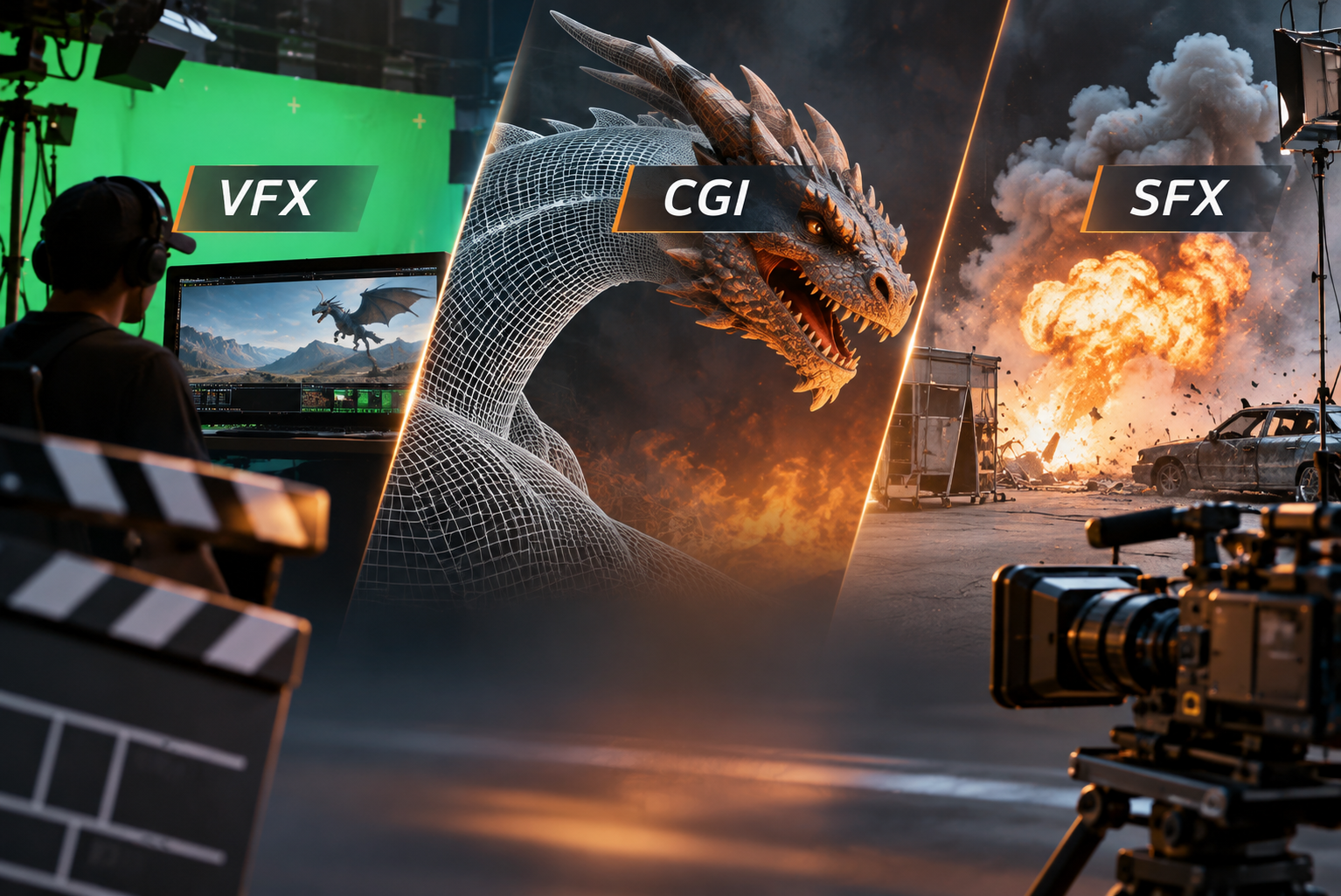
There are several Animation career opportunities across the media and entertainment industry. Depending on your skills and portfolio, possible roles include 2D animator, 3D modeller, character animator, storyboard artist, lighting artist, compositor, video editor and VFX artist. Roles and entry requirements vary between studios and projects, so keep developing your chosen area.
Choosing the Right Place to Learn
When comparing Animation courses after 12th, look beyond promotional claims. Review the course structure, practical training, faculty guidance, software exposure, student projects and portfolio support. Ask how much time students spend working on assignments and whether they receive feedback on their work.
e-Drishyam focuses on creative and technical training across animation, VFX, graphic design and video editing. Its programmes are intended to help students develop practical skills and work towards building a portfolio. Speak with the institute to understand the current course options, syllabus and learning approach before making a decision.
Start With Curiosity, Continue With Practice
Animation rewards people who are willing to learn, experiment and improve. You do not need to know everything before joining your first class. You do need curiosity, consistency and the patience to work through mistakes.
Whether you are considering an Animation course for beginners or exploring specialised training after school, remember the advice: learn the fundamentals, ask questions, accept feedback and keep creating. The strongest progress comes from turning each lesson into something you practise and complete.