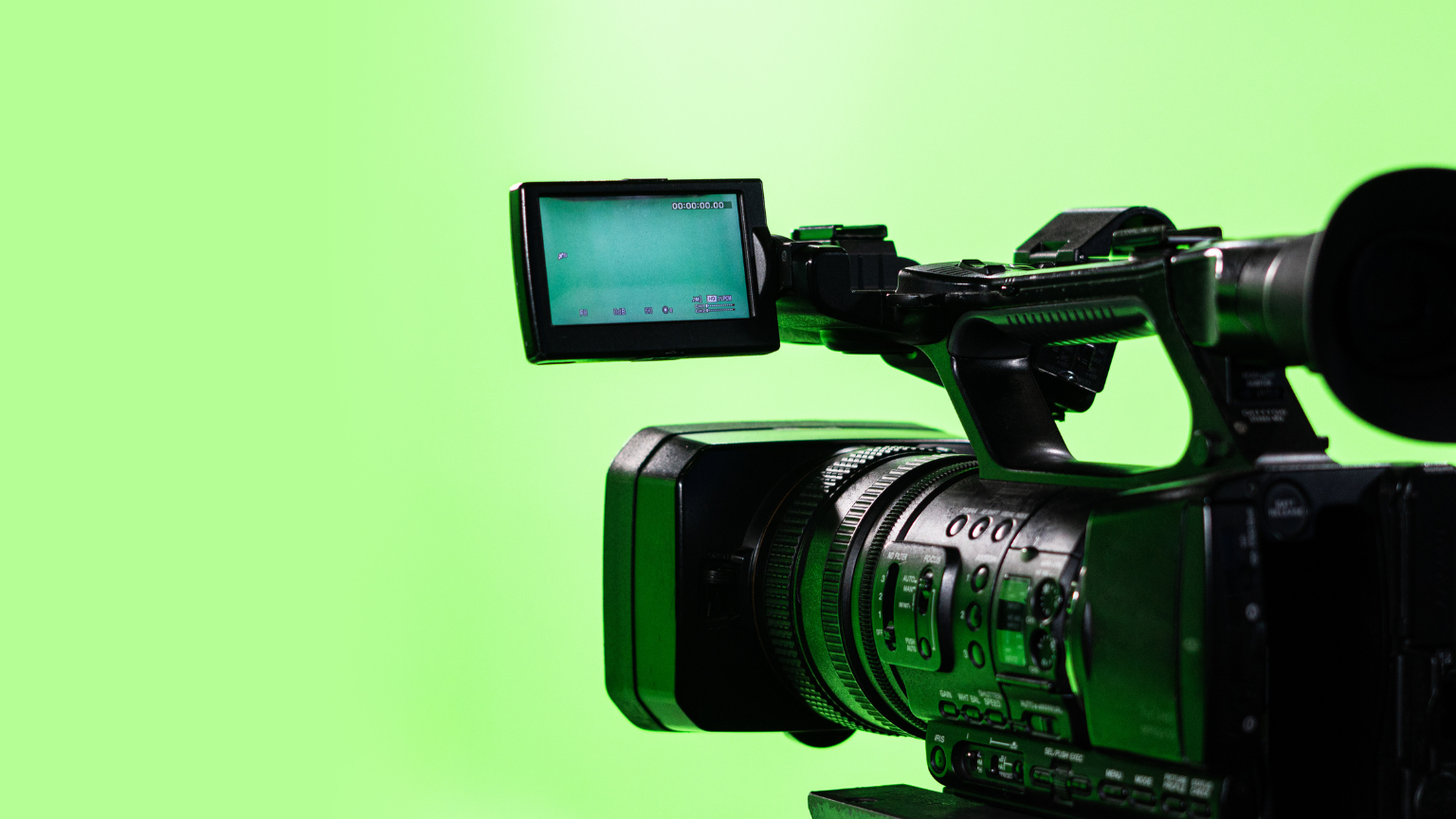
In today’s fast-paced world of filmmaking, advertisements, OTT content, and digital storytelling, Visual Effects (VFX) has become the backbone of modern visual media. Whether it’s a superhero flying in the sky, a news anchor standing in front of animated graphics, or an actor walking inside a futuristic world, VFX makes the impossible look real. At the core of this magic lies a fundamental technique called chroma keying, and the most iconic part of it is the green screen.
But have you ever wondered: Why is green colour used in VFX?
Why not blue, red, yellow, or any other colour?
Is there a scientific reason, or is it simply a filmmaking tradition?
In this detailed guide, e-Drishyam gives you a complete, in-depth understanding of why green is the preferred colour in VFX, the science behind chroma keying, and real-world insights from industry practices.
What Is Chroma Keying? — The Foundation of Green Screen VFX
Before we understand why green colour is used in VFX, we need to understand what chroma keying is.
Chroma Keying Explained
Chroma keying is a post-production technique in which a specific colour (usually green or blue) is removed from the footage, replacing it with a different background or environment.
For example:
- Actors perform in front of a green screen.
- During editing, the green colour is removed digitally.
- A new background, animation, 3D model, or VFX element is added.
This technique is widely used in:
- Films
- TV shows
- Ads
- Weather forecasting
- Web series
- Corporate videos
- Virtual production setups
e-Drishyam uses advanced chroma keying tools to achieve seamless blending between the subject and the digital background, resulting in zero bleeding, zero noise, and a naturally realistic outcome.
So, Why Is Green Colour Used in VFX? — The Scientific Answer
The question “Why is green colour used in VFX?” comes down to light, sensors, human skin tones, and digital technology. Here are the scientific and practical reasons:
Green Has the Highest Luminance for Digital Sensors
Modern digital cameras are built using the Bayer pattern, a type of colour filter array that has:
- 50% green pixels
- 25% red pixels
- 25% blue pixels
This means the camera captures more green information than any other colour.
Why does this matter?
- Green is the brightest colour to digital sensors.
- It offers higher detail, better sharpness, and more contrast.
- It provides a cleaner key, making it easier for software to remove background noise.
For VFX studios like e-Drishyam, this reduces time in rotoscoping, edge correction, and spill suppression.
Green Is the Least Present in Human Skin Tones
Regardless of race or skin colour, human skin does not contain green.
Skin tones are mostly made up of:
- Reds
- Browns
- Yellows
Why is this important?
Because if the colour of the screen appears in the subject (skin, clothes, hair), then:
- The software gets confused.
- Parts of the body may disappear.
- Edges may distort
- Since skin contains almost no green, green screen ensures:
- Clean separation
- Zero interference
- Crisp outlines around the subject
This is one of the biggest reasons e-Drishyam’s VFX artists prefer green screens for high-quality shoots.
Green Requires Less Light Than Blue
One of the most significant advantages of green is its brightness.
This brightness means:
- You need fewer lights to illuminate a green screen.
- It saves time and money.
- It reduces shadows
- It provides an evenly lit background.
Blue screens, by comparison, are darker and require more lighting, which increases production cost.
For large-scale shoots, TVCs, or OTT content, green screens are cost-effective — something e-Drishyam always helps clients optimise.
Green Spills Less Into Shadows
Because green is bright and reflective, it allows:
- Cleaner edges
- Less shadow absorption
- Better control in post-processing
Shadows often become darker shades of the background colour. With green, this remains manageable; with blue, shadows can blend too deeply, making removal more complex.
Preferred for HD, 4K, 6K, and 8K Shoots
As cameras become ultra-high-resolution, chroma keying needs to be sharper and more precise.
Green screens perform better in:
- High dynamic range (HDR)
- High resolution shoots (4K+)
- High-contrast environments
This is why most Hollywood films and big Indian productions prefer green — and why e-Drishyam uses green in most professional setups.
Why Not Other Colours? Understanding Alternatives
To truly understand why green colour is used in VFX, let’s compare it with other colours.
Why Blue Isn’t Always Used
Although blue screens are also common, they have drawbacks:
- Requires more lighting
- More present in clothing (jeans, shirts)
- Less detail due to fewer blue pixels
- Harder to key in fast-motion scenes
However, blue screens are used when:
- The actor is wearing green.
- Night scenes are being shot.
- A darker background is needed.
e-Drishyam switches between green and blue based on the creative requirement.
Why Not Red?
Red is a bad option because:
- Human skin contains red.
- Removing red would erase facial features.
- Camera sensors have the least red pixel density.
Why Not Yellow or Pink?
These colours reflect excessively and cause:
- Colour bleeding
- Shadows are mixing with the subject.
- Poor separation of subject and background
Why Not White or Black?
These are the worst choices for chroma keying because:
- Black absorbs light; shadows become hard to distinguish
- White reflects too much light; brightness overexposes the scene.
- Both colours commonly appear in clothing.
The Science Behind Green Screen — Explained Simply
To simplify the concept for beginners, here’s a quick analogy:
Imagine you want to delete a particular colour from a picture.
If the colour is:
- Bright
- Uniform
- Rarely found on the subject.
…then the computer can remove it perfectly.
Green satisfies all these requirements, which is why it is always the safest choice for VFX studios like e-Drishyam.
The Role of e-Drishyam in Professional Green Screen VFX
When it comes to VFX, chroma keying is not just about removing the background.
It requires:
- Controlled lighting
- Correct colour balance
- Spill suppression
- Clean matte creation
- Edge refinement
- Background integration
At e-Drishyam, professional VFX artists combine technical expertise with creative visual design to ensure:
- Zero colour spill on actors
- Even green screen illumination
- Perfect separation between subject and chroma
- Seamless background addition
- Natural-looking final output
This level of precision makes e-Drishyam one of the leading VFX providers for brands, filmmakers, ad agencies, and OTT content creators.
Situations Where Green Screen Works Best
Green screen is ideal for:
- Daytime shoots
- Outdoor scenes
- High-brightness environments
- Fast-motion action sequences
- CGI-heavy productions
- Multi-camera shoots
With its high luminance and easy keying, green is the universal standard for most productions — a technique e-Drishyam heavily uses for its clients.
Common Mistakes with Green Screen (and How e-Drishyam Avoids Them)
Using reflective costumes
Shiny clothing reflects green light, causing a spill.
Fix: Use matte fabrics or adjust lighting.
Uneven lighting on the screen
Shadows and hotspots make keying difficult.
Fix: e-Drishyam ensures perfect lighting distribution.
Casting shadows from the subject
Shadows darken parts of the background.
Fix: Maintain proper subject-screen distance.
Wearing green clothing or accessories
Anything green disappears in post.
Fix: Costume planning is essential.
Overexposing the green screen
Excess brightness washes out the details.
Fix: Use controlled lighting setups.
Why Green Screens Are Essential for Modern Content Creation
The demand for VFX-based content has increased across:
- Movies
- Advertisements
- YouTube videos
- E-learning content
- Corporate films
- Product videos
- Social media reels
Green screens allow creators to:
- Film anywhere
- Reduce production costs
- Create worlds that don’t exist.
- Achieve high-quality visual storytelling.
Studios like e-Drishyam make this possible with advanced VFX pipelines, professional chroma stages, and experienced artists.
Future of Green Screen: Virtual Production & Beyond
With the rise of LED volumes and virtual production (as seen in The Mandalorian), many people wonder: Will green screens become outdated?
The short answer: No.
Green screens still offer:
- Cheaper production
- Easy post-processing
- Flexibility for editors
Virtual production works best for large-budget movies.
But green screens remain the most accessible and efficient VFX method, and studios like e-Drishyam continue to rely on them for 90% of chroma-related projects.
Conclusion: Why Is Green Colour Used in VFX?
To summarise everything:
Green is used in VFX because:
- It has the highest luminance for digital sensors.
- It contrasts nicely with human skin.
- It requires less lighting.
- It gives cleaner keys and sharper digital edges.
- It works best for HD and 4K footage.
- It saves time, effort, and production costs.
The green screen remains the industry standard for chroma keying because it is scientifically proven, practically convenient, and universally reliable.
At e-Drishyam, advanced VFX artists leverage the power of green screens to create stunning visuals, seamless backgrounds, and world-class content that resonates with audiences.
So the next time you watch a movie filled with unbelievable scenes, you’ll know precisely why green colour is used in VFX — and how the magic happens behind the scenes.