Uncategorized

Uncategorized

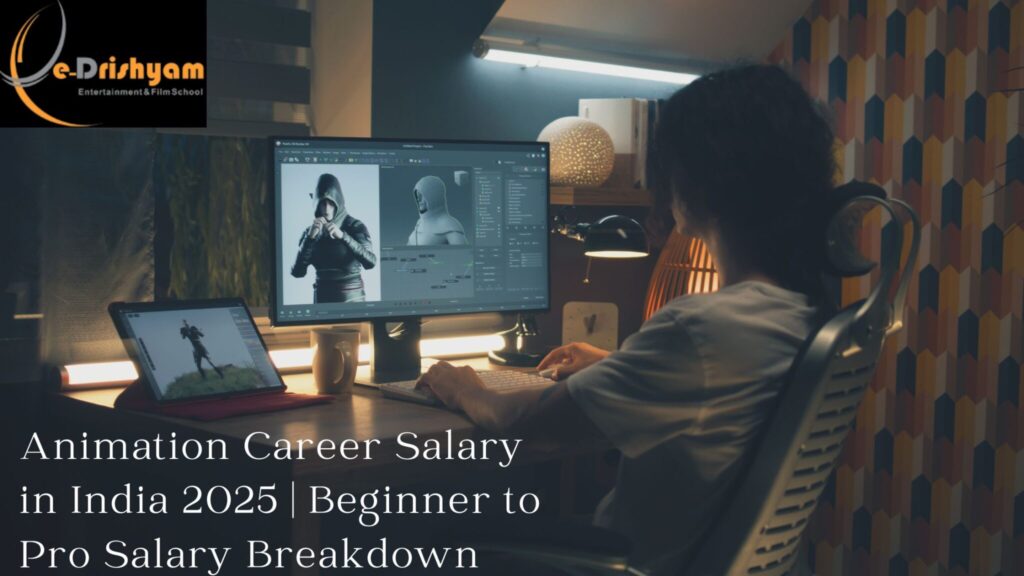
From Beginner to Pro: Animation Career Salary Breakdown by Experience

Presented by e-Drishyam  Introduction At e-Drishyam, we’ve seen countless creative minds walk through our doors — curious, passionate, and filled with dreams of bringing art to life. They come from every corner of India, united by one goal: to build a career in animation. But amid the excitement, one question always echoes: “What does an animation career really pay?” It’s a fair question. In an age where creativity is often undervalued, the animation industry stands tall as a profession that combines artistry, technology, and storytelling — and rewards it well. Yet, salaries in this field are not flat; they evolve dramatically with skill, specialisation, and experience. The truth is, your animation career salary can grow from modest beginnings to substantial earnings if you invest in learning, networking, and industry exposure. The path from a beginner animator to a seasoned professional isn’t just about software mastery — it’s about how you grow as a storyteller, a technician, and a team player. This detailed guide from e-Drishyam explores how salaries progress throughout an animator’s career — from that first entry-level job to the heights of creative direction and production leadership. We’ll decode what factors influence your earnings, what roles pay best, and how you can position yourself to thrive financially and creatively in this ever-evolving field.   Animation Industry: Where Creativity Meets Opportunity Before we talk about salaries, let’s understand the world you’re entering. The animation industry isn’t just about cartoons anymore. It’s a vast creative ecosystem spanning film, television, advertising, education, healthcare, architecture, and — increasingly — gaming and virtual production. Every visual story that moves on screen needs an animator behind it.   1. The Expanding Universe of Animation Globally, the animation industry is a multi-billion-dollar enterprise that shows no signs of slowing. Streaming platforms require original animated series; ad agencies seek motion-rich digital campaigns; studios look for realistic VFX artists; and game developers are hiring faster than ever. In India alone, the animation and VFX sector has witnessed an exponential rise. Major cities like Mumbai, Hyderabad, Bengaluru, Pune, and Chennai have become creative hubs hosting hundreds of studios — from boutique agencies to global giants like Technicolour, Prime Focus, MPC, and DNEG.   2. Demand for Skilled Talent As tools become more sophisticated — with real-time rendering, AI-assisted animation, and virtual production — the need for skilled professionals who can combine artistry with technology has skyrocketed. This has created not just more jobs but also higher pay scales for those who bring both creativity and technical competence.   3. Diverse Career Paths Animation isn’t one job — it’s a family of careers. You can become a 2D animator, 3D modeller, rigger, lighting artist, texture specialist, compositing artist, storyboard artist, or motion designer. Each of these specialisations offers its own salary curve, influenced by demand, complexity, and market value. At e-Drishyam, we emphasise this diversity early in your training. Because once you know your niche, your career — and your income — can grow much faster.   From Beginner to Pro: The Journey of an Animator A career in animation is not a sprint; it’s a creative marathon. You start as a learner, mastering fundamentals and building your portfolio. Over the years, you climb into specialised, higher-paying roles — sometimes managing projects, other times leading creative teams. Here’s how this journey unfolds.   1. The Beginner Stage (0–2 Years) This is where most animators begin — right after completing their education or specialised training from institutes like e-Drishyam. At this stage, you’re typically a junior animator, intern, or assistant artist. You’ll work under senior animators, handling tasks like cleanup, in-betweening, rotoscoping, or basic motion cycles. It’s your learning phase — understanding pipeline, feedback loops, and deadlines.   Average Salary Range: India: ₹2.5 – ₹4.5 LPA (Lakhs Per Annum) International (Entry-level): $30,000 – $45,000 per year What Affects Pay: Your demo reel quality Knowledge of key software (Maya, Blender, Toon Boom, After Effects) Studio size and city (metros like Mumbai and Bangalore pay higher) Project type (TV, web, film, or gaming) At e-Drishyam, our beginner programs focus on helping students cross this stage with confidence — through portfolio building, mentorship, and soft skill training for interviews.   2. The Intermediate Stage (2–5 Years) Once you’ve spent a few years mastering production tasks, your responsibilities expand. You might now be a character animator, lighting artist, VFX compositor, or 3D generalist handling larger segments of animation projects. You may even lead small teams. This is where your animation career salary begins to reflect your growing expertise.   Average Salary Range: India: ₹5 – ₹9 LPA International: $45,000 – $70,000 per year Key Growth Drivers: Proficiency in multiple tools and engines (Maya, Unreal, Nuke, Houdini) Strong storytelling ability Team collaboration and communication Efficiency under production pressure Animators who actively build strong showreels and continually upgrade their skills often double their income within a few years. At e-Drishyam, we encourage our alumni at this stage to experiment with specialisation — whether in 3D character animation, motion graphics, or game animation — since focus often leads to higher pay.   3. The Senior Animator Stage (5–8 Years) By now, you’re no longer “just” an artist. You’re a problem solver. You understand project flow, client communication, and production demands. You might be supervising junior artists, refining storytelling arcs, and optimising animation quality.   Average Salary Range: India: ₹10 – ₹16 LPA International: $70,000 – $90,000 per year At this level, your animation career salary depends heavily on specialisation. For instance: Character Animators with a cinematic style often earn at the higher end. Technical Animators skilled in rigging and scripting earn premium pay for their rare combination of coding and creative understanding. Lighting and Rendering Artists in high-end VFX studios also see steep rises. Senior animators also start taking freelance or consulting gigs, adding to their income. Many professionals at this stage work with global clients remotely, leveraging online platforms and personal branding.   4. The Expert Stage (8–12 Years) You’ve now become a recognised name within your studio or network. At this stage, you

Uncategorized

Top Institutes for Animation & VFX Students Interested in Gaming Animation Careers

At e-Drishyam, we believe that art isn’t static — it moves, breathes, reacts, and lives inside stories. Animation and VFX are no longer confined to films or television; they have become the heartbeat of modern interactive entertainment. Among all creative frontiers, gaming animation stands as one of the most dynamic, rewarding, and fast-evolving careers for aspiring artists today. The rise of the gaming industry has created a playground for storytellers who can bring their imagination to life. It’s where visual art meets code, and where emotion meets interactivity. If you’ve ever dreamt of making characters jump, fight, laugh, or emote in response to a player’s touch, then gaming animation is your true calling. But how do you get there? How does a student of animation or VFX turn those raw skills into a career that thrives in game studios across the world? The answer begins with choosing the right institute — one that combines creativity, technology, and storytelling with the discipline of production pipelines and real-world collaboration. This guide from e-Drishyam walks you through the world of gaming animation — from understanding the industry and its expectations to exploring the best institutes (in India and abroad) that can transform your talent into a sustainable, exciting career.   The Gaming Industry: The Most Exciting Playground for Animators Let’s start with the bigger picture. The global gaming industry is now worth more than the film and music industries combined. It’s a multi-billion-dollar ecosystem powered by artists, storytellers, programmers, and dreamers. From console blockbusters to mobile games and AR/VR experiences, every aspect of this universe demands skilled game animators who can bring digital worlds to life. Gaming is no longer just entertainment; it’s experience design. Every motion matters — the way a warrior swings a sword, the bounce of a ball, or the way a character turns their head to react. Animation is what turns gameplay into emotion. As studios become more sophisticated, they seek artists who can think beyond just creating visually appealing content. They need people who understand player psychology, timing, physics, and, above all, the feeling of play. And this is where a solid educational foundation becomes crucial. It’s not enough to learn software; you must know the language of interaction. At e-Drishyam, we’ve witnessed this transformation firsthand. We’ve trained students who began as curious artists and evolved into professionals working on real-time animation projects. The secret lies in combining fundamentals with the specific demands of gaming animation — and that’s exactly what we’re going to unpack next.   Gaming Animation: Where Art Meets Interactivity Before diving into the institutes, it’s essential to understand what gaming animation actually is — and how it differs from traditional film or TV animation.   1. Interactive Storytelling In films, animation follows a fixed timeline. In games, animation responds to player actions. Every movement must feel responsive, fluid, and believable, regardless of the direction a player chooses. That means animators must design motion that can adapt — walk cycles that loop seamlessly, jumps that land naturally, and reactions that blend in real time.   2. Technical Precision Game animation lives inside an engine — not on a rendered frame. Every movement must run efficiently on hardware without breaking immersion. Animators must understand polygon counts, rig optimisation, compression, and frame budgets. Unlike film, you can’t afford to waste a single millisecond of processing.   3. System Thinking Gaming animation is systemic. Actions blend through state machines, combat moves are layered with logic, and even idle animations have logic trees. Animators work hand-in-hand with designers and programmers, creating movement that’s part art, part math, and all magic.   4. Storytelling in Motion Despite all the tech, gaming animation is still about emotion. Players connect to motion before they connect to narrative. A slight shoulder shrug, a determined glance, or the way a character breathes before a jump — these details make gameplay human. At e-Drishyam, we define gaming animation as the art of responsive performance. It’s a discipline where imagination dances with code. It’s where storytelling becomes playable.   What Studios Look For in Game Animators Before choosing where to study, it is essential to understand what the industry expects. Game studios worldwide seek artists who combine creativity with technical expertise. Here’s what separates a graduate from a hire:   A Focused Demo Reel: Studios prefer a 60–90 second reel showcasing real-time gameplay animations, including walk cycles, attacks, reactions, or cinematic sequences that run in engines like Unreal or Unity. A polished, short reel always beats a long, unfocused one.   Engine Integration Skills: Knowing Maya or Blender is excellent, but studios love candidates who can import their work into an engine and set up transitions, blend spaces, and animation blueprints.   Strong Fundamentals: No amount of technology replaces sound animation principles — timing, squash and stretch, anticipation, and acting. Your fundamentals must shine through every frame.   Technical Awareness: You should understand optimisation: polygon budgets, rig hierarchy, and file management. Studios value animators who respect performance limits.   Collaboration: In games, animators work with designers, modellers, and coders. The ability to communicate and iterate is as valuable as technical skill.   A Growth Mindset: The gaming world evolves rapidly. Studios hire people who continue to learn — new engines, AI-assisted tools, procedural systems, and emerging technologies like AR/VR. At e-Drishyam, our training philosophy aligns with these real-world needs. We teach not just how to animate, but how to think like a game developer — understanding constraints, problem-solving, and player experience.   Top Institutes for Animation & VFX Students Interested in Gaming Animation Careers Now that you understand what the industry wants, let’s explore where you can acquire these skills. We’ve grouped the top institutes into two sections — Indian institutes that combine affordability with rising excellence, and international schools that have long set global benchmarks in game animation.   INDIA — Where Talent Meets Opportunity India’s creative education ecosystem has expanded rapidly. Animation and VFX schools now offer programs tailored for game development. Below are some of the most respected

Uncategorized

AI in Graphic Design Courses: How Artificial Intelligence is Shaping Modern Design Skills

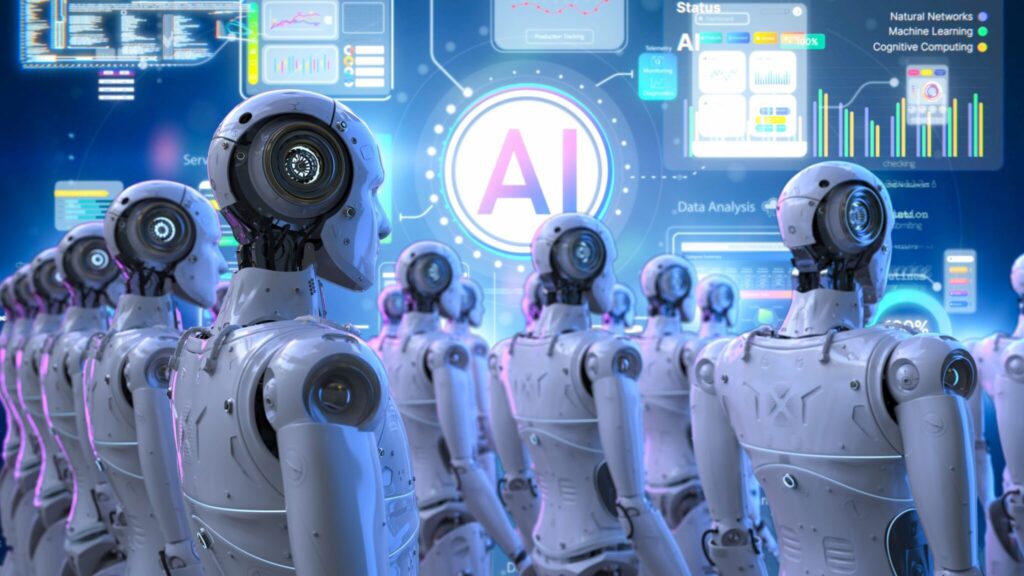
For e-Drishyam — a deep dive into how AI is reshaping creative education in 2025.  Introduction The world of design is evolving at an unprecedented rate. Where once graphic design relied primarily on creativity, software mastery, and visual storytelling, today artificial intelligence (AI) is transforming how design is taught, learned, and practised. From AI-driven tools that generate logos in seconds to intelligent systems that suggest colour palettes, layouts, and typography, AI is no longer an optional add-on — it’s becoming a core skill in the modern designer’s toolkit. If you’re exploring graphic design education or planning to upskill in 2025, understanding AI in graphic design courses is critical. This blog unpacks what AI brings to design education, how it shapes modern design skills, and how institutes like e-Drishyam are adapting to train the next generation of creative professionals.   AI in Graphic Design Graphic design has always balanced art and technology. Photoshop and Illustrator once felt revolutionary; now AI is the next leap forward. AI doesn’t replace designers — instead, it amplifies their creative capacity by automating repetitive work, offering intelligent design suggestions, and generating inspiration at lightning speed.   Some current applications of AI in graphic design include: Generative Design: AI algorithms that generate multiple layouts or design variations in seconds. AI Image Generation: Text-to-image tools like MidJourney, DALL·E, and Stable Diffusion that create visuals from prompts. Clever Editing: AI-powered background removals, auto-enhancement, and object recognition in Adobe Firefly or Canva. Personalised Design: AI analyses user data to create customised designs (ads, social posts, UX layouts). Workflow Automation: Automating resizing, formatting, or social media-ready outputs. The key takeaway: AI is not replacing creativity — it’s shifting the designer’s role from manual execution toward conceptual thinking, direction, and refinement.   AI in Graphic Design Courses In 2025, design schools and institutes are rapidly integrating AI-driven graphic design courses into their curricula. Why? Because the industry now demands designers who can use AI tools responsibly and effectively.   Modern courses typically cover: Fundamentals of AI for designers: Understanding how AI models work, where they excel, and where they fall short. Hands-on training in AI tools: Adobe Firefly, Canva’s Magic Studio, RunwayML, Stable Diffusion, MidJourney, and Figma AI plug-ins. Ethics of AI design: Addressing copyright, originality, and bias in AI-generated outputs. Portfolio integration: Showing clients/employers how AI-enhanced design workflows improve speed and creativity. Human–AI collaboration: Training designers to use AI as an assistant, not a replacement. By embedding these modules, courses are preparing students for real-world workflows where AI is already a mainstream technology.   How Artificial Intelligence is Shaping Modern Design Skills AI isn’t just a tool — it’s reshaping the very definition of design skills. Here’s how:   From Execution to Direction Designers no longer spend hours resizing banners or creating dozens of mockups. AI handles these tasks. Instead, the designer’s skill lies in directing AI outputs, curating results, and refining them with human taste.   Prompt Engineering Learning how to write effective AI prompts is becoming a new design literacy. Designers must describe moods, styles, and ideas precisely to get the output they envision.   Speed & Efficiency Deadlines are shrinking. With AI, designers can transition from concept to first draft in minutes, making iterative creativity more efficient.   Cross-disciplinary Integration Designers are expected to blend AI-generated visuals with traditional skills, such as typography, branding, motion design, and UX/UI.   Critical Thinking & Originality Since AI can mass-produce visuals, the differentiator becomes the designer’s ability to curate, conceptualise, and personalise — ensuring outputs stand out and align with brand identity. In short, modern design skills encompass creative direction, technical AI mastery, and ethical judgment.   Learn AI for Graphic Design If you’re a student, freelancer, or professional designer, here’s what a learning roadmap for AI in graphic design might look like: Start with AI Basics: Learn how AI works in design — from generative models to simple automation in Photoshop or Canva. Experiment with Tools: Try platforms like Adobe Firefly, MidJourney, Stable Diffusion, RunwayML, and Figma AI plug-ins. Practice Prompt Writing: Document prompts and results, refining them to achieve precision. Build AI-Enhanced Projects: Integrate AI visuals into branding, social media kits, or campaign design. Understand Ethics & Copyright: Learn what’s safe for commercial use and how to credit or adapt AI outputs responsibly. Create a Portfolio: Showcase AI + human design synergy — not just AI outputs, but your role in guiding and refining them. This combination ensures that you aren’t just a tool-user, but a strategic, creative professional who adds value in AI-driven environments.   Graphic Design with AI Tools Here are some must-know AI tools reshaping design workflows in 2025: Adobe Firefly: AI-driven features for generative fill, style transfers, and content-aware design. Canva Magic Studio: AI writing, layout suggestions, instant resizing, and background generation. Figma AI Plugins: Real-time layout suggestions, wireframe to design conversion, and UI enhancements. RunwayML: AI video and motion graphics generation. Stable Diffusion / MidJourney: High-quality concept art and mood board creation. Khroma / Coolors AI: Smart colour palette generation. How to integrate them into design practice: Use AI for ideation and speed (mood boards, mockups). Apply traditional design skills for brand alignment and polish. Keep your human creativity at the centre — AI is the brush, not the painter.   e-Drishyam — Building Future-Ready Designers At e-Drishyam, the philosophy is straightforward: AI is not a threat but an opportunity. The institute is actively integrating AI-powered design courses that teach students how to merge creativity with intelligent tools.   What makes e-Drishyam’s AI graphic design training unique? Balanced Curriculum: Blends fundamentals of design (typography, colour theory, branding) with the latest AI tools. Hands-On Projects: Students work on real-world campaigns enhanced by AI-generated assets. Mentor Support: Experienced designers guide students on when to trust AI and when to rely on traditional design craft. Ethical Training: Emphasis on responsible AI use, originality, and copyright compliance. Career Pathways: Portfolio preparation for jobs that now explicitly require AI-powered design skills. By aligning creativity, technology, and professionalism, e-Drishyam ensures that students graduate as AI-literate designers, ready for the 2025 market.  

Uncategorized

VFX and Animation Course Fees 2025: What You Need to Know Before Enrolling

Introduction If you’re reading this, you’re probably considering a career in visual effects (VFX) or animation — two of the most dynamic, creative and technically demanding fields in media today. Whether you’re a school-leaver, a working professional looking to reskill, or a freelancer wanting to upgrade, one of the first and most significant decisions is money: how much does training cost, and what will you get for that investment? This comprehensive guide explains VFX and animation fee structures for 2025, including typical price ranges for short- and long-term courses (both classroom and online), as well as the additional costs students often overlook. It also provides guidance on evaluating whether an expensive course is worth the investment and offers practical alternatives. It’s written for Indian students and professionals, but also useful if you’re comparing international options. Key real-world fee ranges, institute examples, and online course options are referenced so you can make a cost-aware choice. (Where I cite specific fee ranges, I’ve used current institute & course pages and trusted education aggregators for 2025 figures.)    VFX and Animation Course — What’s on Offer in 2025 Before we dig into fees, let’s be clear about the types of programs you’ll encounter. “VFX and animation” is an umbrella — beneath it lie very different courses: Short-term certificate courses/workshops (weeks → months): Focused skills (e.g., After Effects compositing, Blender, Nuke basics, character animation in Maya). Great for targeted upskilling or building a portfolio module, often run by private training centres and online platforms. Diploma / advanced diploma (6 months → 2 years): More structured than short courses, usually a mix of theory and project work. Common in private institutes and vocational schools. Professional certification programs (9 months → 18 months): Intensive, career-oriented courses focusing on industry pipeline tools, showreel creation and internship tie-ups. Undergraduate / degree programs (3 → 4 years): B.Des., B.Sc., BFA programs at design schools and universities. They provide deep conceptual grounding (art fundamentals, storytelling, design) and industry exposure. Postgraduate / master’s (1 → 2 years): For advanced specialisations (e.g., character animation, simulation, VFX production management). Online micro-credentials and MOOCs: Self-paced or cohort-based programs with varying levels of mentor support and project feedback (platforms like Coursera, Udemy, specialist academies). Each format has a different fee profile and different outcomes. Short courses are cheaper but offer less credential currency; degrees, on the other hand, cost more but provide sustained training and recognition.   VFX and Animation Course Fees 2025 — Realistic Ranges & Examples Here are realistic 2025 fee ranges and what they typically cover. I list ranges from low → high, then show real examples from well-known providers so you can compare apples to apples.   Typical fee ranges (India, 2025) Short online course / MOOC (single skill course): ~INR 500 → INR 30,000 Short classroom certificates / vocational (1–6 months): ~INR 10,000 → INR 80,000 Professional/long-term vocational courses (9–24 months): ~INR 1,00,000 → INR 4,00,000 High-end private institutes and specialised degrees (3–4 years or flagship diplomas): ~INR 3,00,000 → INR 25,00,000+ International short courses / bootcamps: USD 500 → USD 6,000+ depending on provider, residency and faculty. Why the wide range? The cost reflects several factors: institute brand, faculty experience, industry tie-ups, hardware and lab infrastructure, number of software licenses included, duration, and whether internships/placements are offered. A Rs 30,000 short course is not comparable to a Rs 8,00,000 professional program that provides for multiple software suites, studio visits, and placement assistance.    What You Need to Know Before Enrolling Money is only one part of the decision. Here are the most important non-price factors to weigh — they will usually determine return on investment (ROI) more than the headline fee.   1. Course outcome — what will you actually be able to do? Look beyond course titles. Two programs, both called “VFX,” can differ wildly: Does the course promise a showreel or portfolio? (This matters — studios hire showreel/skill, not certificates.) Are there industry projects, team assignments, or live briefs? Will you learn pipeline skills (camera tracking, rotoscoping, compositing, rendering, look development) or only single tools? If a course produces a polished showreel with breakdowns you can present to employers, that’s valuable — sometimes more valuable than a glossy institution name.   2. Faculty and mentors — industry vs academic Are trainers former studio artists who have worked on feature films or real-world commercials? Or are they teachers with limited production experience? Check sample instructor bios and look for published showreels or LinkedIn profiles that confirm real production experience.   3. Tools & software access VFX/animation requires licensed software (Maya, Houdini, Nuke, Mari, Substance, Unreal Engine, Adobe suites). Ask: Are software licenses included? If not, what will you need to buy or subscribe to? Does the institute provide cloud or lab access for rendering? Rendering infrastructure can be expensive, and some programs include render credits as a benefit.   4. Hardware & lab configuration Many advanced VFX tasks (simulation, rendering) require beefy machines. Check if: Labs have GPU workstations and render farms. You’ll need to invest in your own laptop/PC, and the recommended minimum specs are as follows.   5. Placement and industry connections Does the school have formal placement assistance, internship programs or faculty who can introduce you to studios? Read placement reports critically: “placement assistance” is not the same as “guaranteed placement.”   6. Curriculum alignment with current industry pipelines VFX pipelines change fast. A program that still teaches outdated workflows or skips essential modern tools (e.g., real-time workflows using Unreal Engine, procedural workflows in Houdini) will disadvantage you.   7. Class size and mentor ratio A 1:60 batch is not the same as a 1:8 mentorship. For creative technical disciplines, feedback and one-on-one mentorship matter.   8. Hidden or recurring costs Exam fees, certification charges. Hardware upgrades, software subscription costs. Travel for studio visits, portfolio shoots or live projects. Hostel and living expenses (if relocating).   9. Accreditation and degree recognition If you need a recognised degree (for further study, visas, or specific jobs), confirm whether the program is a recognised

Scroll to Top